
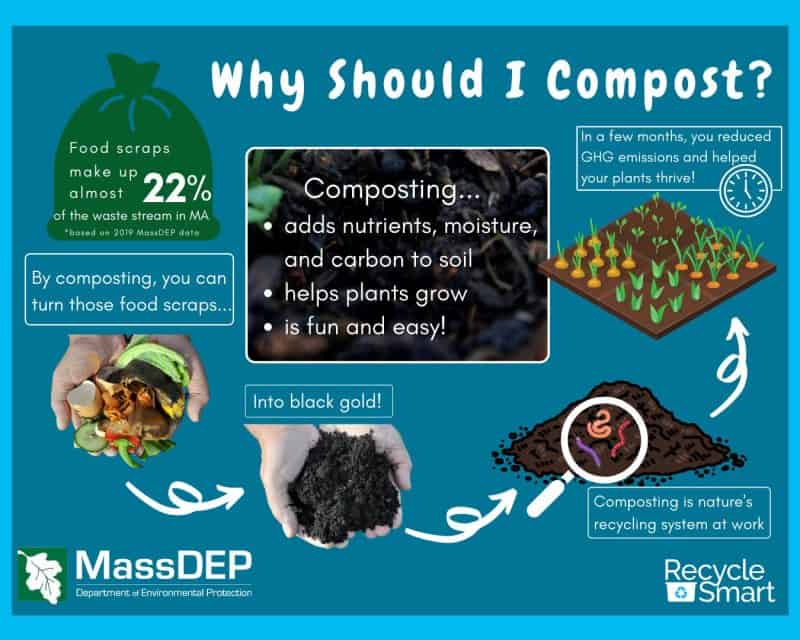
Why compost at home? Many folks still picture smelly piles and messy bins, but that’s old news.
Modern composters are clean, compact, and designed for apartments or backyards alike.
Whether you want to reduce waste, save on fertilizer, or feed your plants naturally, composting at home just makes sense.
Why Compost At Home?
Why Compost At Home?
Why Compost At Home? That’s a fair question. Many have an outdated vision of what composting is like thinking it is smelly or dirty. Things have changed a great deal.
Composters today are better designed to meet the needs of the ever growing home composting market.
This has been fueled by backyard gardeners who want easier to use and better designed composters for their garden.
And composting is now very popular with apartment and condo dwellers who want to grow plants or vegetables indoors.
Whether you want to help the environment, reduce your ecological footprint, or just want to save money composting is for you.
Perhaps you are interested in working with nature and creating a garden full of pesticide-free food. Or maybe you are the more pragmatic sort and just don’t want to pay for fertilizer anymore. Composting can solve both of those problems.
Some people avoid composting because they think it’s tricky and complicated. Others think it smells bad or just don’t think they have room for it. But with modern composting bins it is easier than ever.
Composting has come a long way from the open hand-turned piles of the past. No matter what your situation there is a way to begin enjoying the benefits of composting.
Modern compost bins are compact and take up much less space than an unsightly pile. They are tight to eliminate odors and unwanted pests.
Many require no hand turning and can make compost faster than ever before, thanks to improved aeration.
There are tumbling composters for outdoor gardeners, so now you can toss your pitchfork.
Many are compact enough to use on your balcony if you live in an apartment or condo. Best Composting Ideas For Indoors (indoorvegetablegrower.com)

Even those with limited space, such as apartment dwellers, can now make hassle-free compost thanks to modern worm composting bins.
Worms eat more than kitchen garbage too. They will also turn paper and cardboard into fertilizer for you. You can have a year-round supply of worm castings and worm tea with your worm farm.
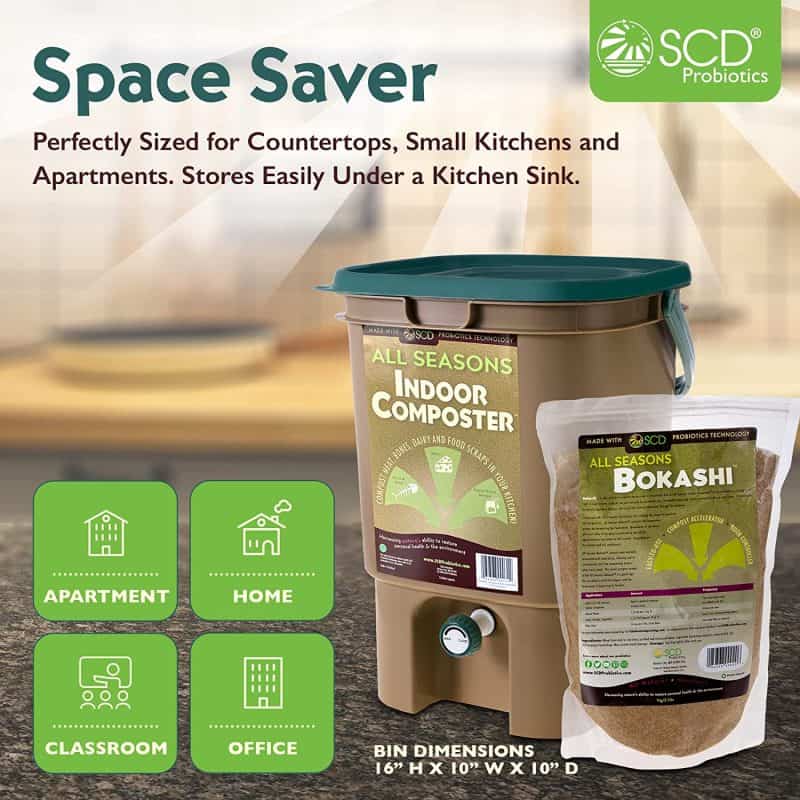
Now we have been introduced to Bokashi composting bins. They are popular in Japan and are very popular with apartment and condo dwellers there.
This is an anaerobic (without air) composting process that can handle things worm composting bins cant. It results in a sweet pickled compost very similar to silage fed to dairy cows.
Almost a third of our landfills are made of kitchen waste. You can save money by turning this waste into compost.
You will save on fertilizer costs and your plants will never look better. If you are being billed by the cubic foot for trash removal this can reduce the number of cans you are paying for too.
Composting is also a way to ease the pressure on the environment and our landfills. Turning something that was destined for the landfill into something usable has a great appeal to many.
Many of our landfills are getting full. Costs for providing this kind of service can only increase as it gets harder to meet environmental impacts and find suitable landfill locations.
If people just composted their kitchen waste the impact on the environment would be massive. While there is an initial outlay of money to begin composting but in the long run, it pays for itself both financially and with the satisfaction of doing your part to help the planet. Once set up composting requires little time, money, or maintenance. Here is a guide to composting at home https://www.epa.gov/recycle/composting-home
Why Compost At Home — FAQs
What are the main benefits of composting at home?
Home composting cuts landfill waste, saves money on fertilizers, improves soil structure and moisture retention, and provides a clean, natural way to feed your plants.
Is composting messy or smelly?
Modern systems are compact and low-odor. Balanced greens (kitchen scraps) and browns (paper, dried leaves) plus proper airflow keep compost smelling earthy, not foul.
What indoor composting methods work best?
Worm bins (vermicomposting), Bokashi fermentation, and sealed countertop/compact tumblers all work well—even in apartments or small kitchens.
What can I put in my home compost?
Fruit and veggie scraps, coffee grounds/filters, tea leaves, crushed eggshells, shredded paper/cardboard, and yard trimmings. Avoid greasy foods; use Bokashi for meat/dairy.
How long does compost take to be ready?
Depending on method and conditions, 4–12 weeks for tumblers, 2–4 months for aerobic bins, and ~2 weeks to ferment with Bokashi (then finish in soil/compost).
How do I keep pests away?
Use a lidded bin, bury fresh scraps under browns, wring-out moisture to “damp sponge,” and avoid exposed meats/oils unless using sealed Bokashi buckets.
What ratio of greens to browns should I use?
Aim for roughly 1:2 by volume (greens:browns). Add more browns if it’s wet or smelly; add a few greens or a splash of water if it’s too dry and slow.
Can compost replace store-bought fertilizer?
Compost supplies slow-release nutrients and beneficial microbes and improves soil health. For heavy feeders, supplement with organic fertilizers as needed.
What does finished compost look and smell like?
Dark, crumbly, and earthy-smelling with no recognizable food pieces. If it’s sour or slimy, add browns and aerate until it smells neutral/earthy.
Can I compost in a small space or balcony?
Yes. Choose compact tumblers, stackable worm bins, or Bokashi buckets. These systems are tidy, fast, and designed for tight spaces.
Why Compost At Home? Final Thoughts
Composting isn’t just for homesteaders or gardeners with acres of land. With today’s tools, anyone can turn everyday scraps into something useful.
Whether you’re working with a balcony, a backyard, or a corner in your kitchen, there’s a composting method that fits your lifestyle and your goals.
✅ Recap: Top Reasons to Compost at Home
♻️ Cut landfill waste by composting food and paper scraps
🌱 Feed your plants naturally with nutrient-rich compost or worm castings
💧 Reduce your need for water and fertilizer—compost holds moisture and nutrients
💸 Save money on trash removal and store-bought soil products
🧘 Feel good knowing you’re helping the planet with less effort than you think
🪴 Grow healthier, pesticide-free food with better soil
🪱 Use worms or bokashi indoors—modern bins make composting mess-free
💪 Just Start—You’ll Be Glad You Did
You don’t have to be a zero-waste warrior or a master gardener to start composting. All you need is a small bin and a little curiosity. Once you see your waste turning into rich compost and your plants thriving, you’ll wonder why you didn’t start sooner. Composting at home really is that easy.
Want to grow greener indoors? Start with our favorite sustainable gardening tips and make every plant choice count.
🌿 Sustainable Gardening Guides
- ♻️ Why Compost at Home?
- 🪱 Vermicomposting for Apartments
- 🍂 Bokashi Composting: Start a Bokashi Bucket
- 🌱 Composting Indoors Without Worms
- 🧃 Worm Tea vs Leachate
- 🌻 Best Indoor Composting Ideas
- 🍃 Eco-Friendly Indoor Garden Setup
- 🐞 Eco-Friendly Pest Control
- 💧 Conserve Water in Your Indoor Garden
- 🌍 Reduce Your Carbon Footprint
- 🪴 Eco-Friendly Pots and Planters
- 🌿 Benefits of Organic Fertilizers
- 🏡 Sustainable Gardening Overview
- 🌾 Small Scale Permaculture
- 🔋 Renewable Energy for Gardens
- See all articles in our Sustainable Gardening category
 Steve S. is the creator of