
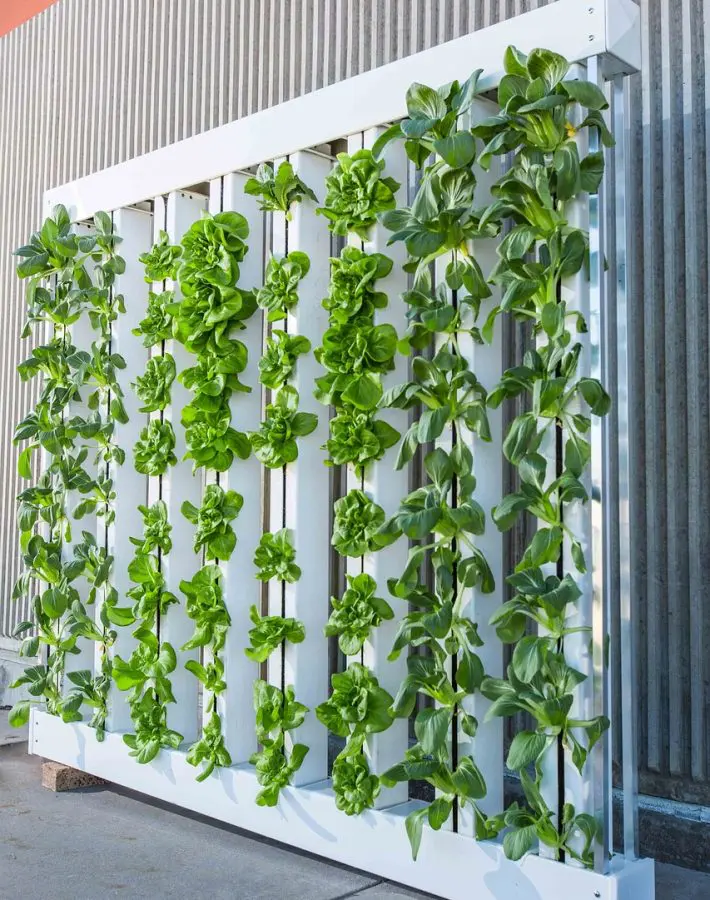
Vertical gardening ideas are a great way to grow more plants when you don’t have much room to work with. Whether you have a small apartment, a balcony, or a little backyard, growing upward lets you make better use of the space you already have.
You don’t need a fancy vertical gardening system, either. A few hanging planters, some shelves, or a simple trellis can give you plenty of additional growing space without taking over your patio or living room.
One of the things I like about vertical gardening is how many different ways you can set things up. You can grow herbs on a kitchen wall, train cucumbers or beans up a trellis, or use stacked containers for strawberries and flowers. There’s something for just about every growing space and budget.
In this guide, we’ll look at some of the best vertical gardening ideas for small spaces, including wall planters, hanging baskets, trellises, pallet gardens, and inexpensive DIY projects. I’ll also cover which plants work best, how to care for them, and a few things to consider before building your own vertical garden.
🌿 What You’ll Learn
- 🪴 Different types of vertical gardens for indoor and outdoor spaces.
- 🌱 How to use trellises, hanging planters, shelves, and living walls.
- 🛠️ Affordable DIY vertical garden ideas using everyday materials.
- 🥬 The best herbs, vegetables, fruits, and flowers for vertical growing.
- 💧 How to water, fertilize, and maintain a vertical garden.
- 🏡 Ways to make better use of balconies, patios, fences, and indoor walls.
- 🌼 How to create an attractive garden without taking up valuable floor space.
🌱 Quick Answer: What Are the Best Vertical Gardening Ideas?
The best vertical gardening ideas for small spaces include hanging baskets, wall-mounted planters, tiered plant stands, trellises, and stacked containers. Trellises work well for climbing vegetables like beans, peas, and cucumbers, while hanging planters and shelves are great for herbs, strawberries, flowers, and houseplants. Choose a system that fits your available light, growing space, and budget, and make sure it can safely support the weight of your plants and wet growing medium.
🪴 Vertical Gardening Ideas at a Glance
Not every vertical garden works in every location. Here’s a quick comparison to help you choose a setup that fits your space and the plants you want to grow.
| Vertical Garden Type | Best Location | Suitable Plants |
|---|---|---|
| Hanging Baskets | Balconies, patios, sunny windows | Strawberries, trailing flowers, houseplants |
| Wall Planters | Indoor walls, balconies, fences | Herbs, lettuce, small ornamentals |
| Trellises and Arbors | Gardens, patios, large containers | Peas, pole beans, cucumbers, climbing flowers |
| Tiered Plant Stands | Apartments, patios, balconies | Herbs, flowers, compact vegetables |
| Stackable Planters | Balconies, patios, small yards | Strawberries, lettuce, herbs |
| Pallet Gardens | Fences, patios, outdoor walls | Herbs, leafy greens, flowers |
| Living Walls | Indoor or outdoor walls with proper support | Ferns, pothos, herbs, ornamental foliage |
| PVC Pipe Gardens | Patios, greenhouses, outdoor growing areas | Lettuce, herbs, strawberries |
Maximizing Small Spaces with Vertical Gardens
Vertical gardening is a great way to make use of every square inch of your outdoor or indoor space.
Especially in urban areas where ground space is scarce, growing upwards provides a new horizon for gardening enthusiasts.
Types of Vertical Gardens
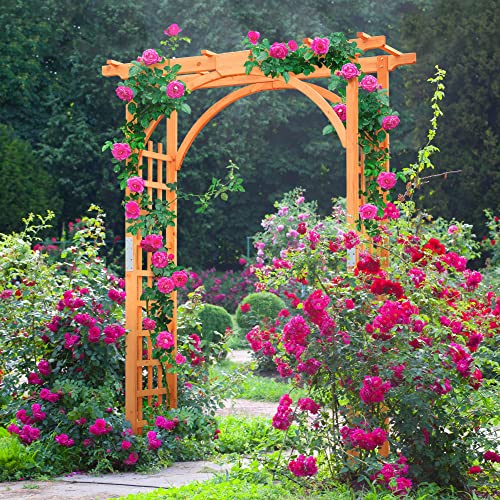
Trellis and Arbors
Trellis and arbors are classic structures used in vertical gardening.
They are frames that can be used to support climbing plants and vines. Here are some ideas on how to incorporate them into your vertical garden:
Simple Wooden Trellis: A simple wooden trellis against a wall or fence can provide ample space for climbers like roses or peas.
Arbor Walkway: Creating a walkway covered with an arbor can give a fairytale-like ambiance to your garden.
It’s perfect for climbing flowers like clematis or roses.
Hanging Wall Planters

Hanging wall planters are a modern and stylish way to add greenery to your indoor or outdoor walls. They come in various designs to suit your aesthetic preferences. Here are a couple of options:
Ceramic Planters: Elegant ceramic planters can hold succulents or herbs, adding a touch of nature to your indoor spaces.
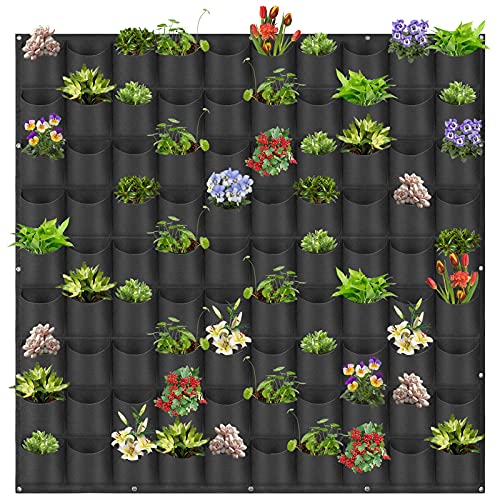
Pocket Planters: These are fabric pockets that can be hung on walls, each pocket holding a different plant.
Living Wall
A living wall is a type of vertical garden that is attached to a vertical plane such as an exterior wall.
It’s a fantastic way to transform a bare wall into a vibrant display of nature.
- Individual Pots: Use individual pots to plant your favorite plants and arrange them in a hanging display on a wall.
- Pre-fabricated Panels: These are an easy project for the weekend and come with slots to slide in your plants.
Fence Planter Boxes
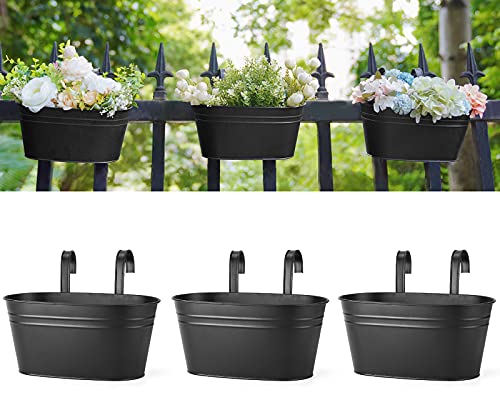
Integrating planter boxes into your fencing is a smart way to utilize outdoor space.
It’s also a fantastic way to add privacy and aesthetic appeal to your garden.
Material Advantages
| Material | Advantages |
|---|---|
| Wood | Natural look, durable with proper care |
| Metal | Durable, modern aesthetic |
| Plastic | Lightweight, affordable |
Vertical Planters
Vertical planters are containers that have multiple levels or pockets, allowing plants to grow vertically.
- PVC Pipe Planters: Using PVC pipe is an innovative and cost-effective way to create vertical planters. With some drainage holes drilled into them, they make excellent vertical herb gardens.
- Terra Cotta Pots: Stack terra cotta pots in a tiered manner to create a beautiful vertical planter. This is a simple way to add a rustic charm to your garden.
Wall Gardens
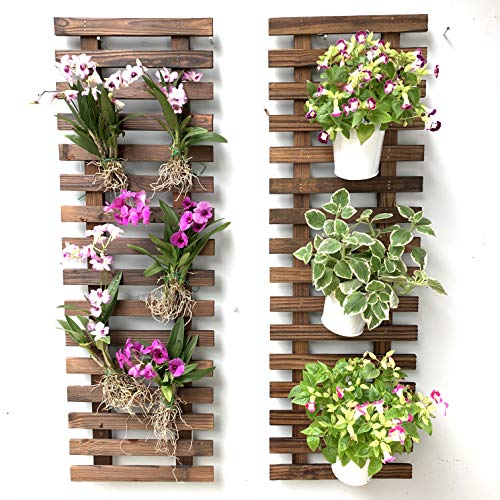
Wall gardens are a magnificent way to bring a little greenery indoors or beautify an outdoor wall.
They can be created using various materials like wooden pallets, wire mesh, or old ladders.
- Wooden Pallet Gardens: Repurpose old pallets into a vertical garden by leaning them against a wall and filling the slots with soil and plants. It’s one of the easiest ways to create a vertical garden.
- Wire Mesh Gardens: Attach wire mesh or hex wire to a frame and hang pots or containers with hooks. This allows for a flexible garden where pots can be easily moved or replaced.
DIY Projects for Your Vertical Garden
Gardening need not burn a hole in your pocket. Numerous DIY solutions are available, from repurposing old items to simple constructions.
Whether it’s using old pallets, and cans, or creating gardens in PVC pipes, there’s a DIY vertical garden idea for everyone.
Roll up your sleeves and dive into some DIY projects to create your own vertical garden.
These projects are an easy way to get hands-on and personalize your garden to your liking.
Cost-effective Solutions
Gardening doesn’t have to be expensive. There are numerous DIY solutions that are easy on the pocket. For instance, repurposing old bottles or cans as planters or creating a trellis from old wood pieces.
Item Cost DIY Possible
| Item | Cost | DIY Possible |
|---|---|---|
| Pallets | Low | Yes |
| Old Cans | Free | Yes |
| Trellis | Variable | Yes |
DIY Vertical Garden Ideas

Utilizing Small Spaces
Even the smallest spaces can be transformed into lush vertical gardens. Here are a few ideas:
- Balcony Gardens: Utilize the vertical space in your balcony by hanging planters or installing a vertical pallet garden.
- Patio Gardens: Frame your patio space with a beautiful hanging garden or create a green wall with climbing plants.
PVC Pipe Garden

Creating a garden using PVC pipes is an easy project that results in a high-yield vertical garden. Perfect for small garden spaces, PVC pipes can be hung on walls or arranged in stands.
- Hanging PVC Planters: Suspend PVC pipes with drilled holes for plants on a wall or fence. It’s an excellent way to grow herbs, strawberries, or even succulents.
Pallet Planters
Old pallets can be transformed into efficient and attractive vertical garden planters.
This is a great option for those looking to recycle and create a rustic garden look.
Pallet and Crate Gardens
Repurposing pallets and crates for gardening is not only environmentally friendly but also incredibly versatile.
They can be hung on walls, stacked, or used as freestanding planters.
| Feature | Pallet Gardens | Crate Gardens |
|---|---|---|
| Cost | Low | Low to Medium |
| Space Efficiency | High | Medium |
| Versatility | High | High |
| Installation Ease | Medium | Easy |
| Maintenance | Medium | Low to Medium |
- Wall-Mounted Pallet Planters: Mount a pallet against a wall and fill the slats with soil to create a vertical bed for your plants.
🌿 Best Plants for Vertical Gardens
Choosing the right plants makes a big difference in how well your vertical garden grows. Whether you’re growing vegetables on a balcony, herbs in your kitchen, or flowers along a fence, there are plenty of plants that work well in small spaces.
The best choices depend on your available light, container size, and the type of vertical garden you’re using. Some plants grow naturally upward, while others look great spilling over the sides of hanging containers.
Herbs and Small Plants
Herbs are excellent choices for vertical gardens because many grow well in relatively small containers. They’re especially useful near a kitchen, where you can harvest fresh herbs whenever you need them.
Mint, basil, thyme, and rosemary are all good options. Just remember that rosemary generally prefers drier conditions than basil or mint, so growing them in separate containers makes watering easier.
Vegetables and Fruits
Vertical gardening is also a great way to grow fresh vegetables and fruits without taking up much ground space. Climbing plants can grow on trellises, while compact varieties work well in hanging baskets or tiered planters.
- Tomatoes: Compact or determinate varieties work well in containers, while taller varieties need sturdy supports.
- Peas and Pole Beans: These natural climbers are excellent for trellises and vertical supports.
- Cucumbers: Climbing varieties can grow on trellises, saving valuable garden space.
- Strawberries: A good choice for hanging baskets, pocket planters, and stacked containers.
- Lettuce and Spinach: These leafy greens work well in vertical planters with enough room for their roots.
Ornamental Plants
If you’re more interested in flowers and foliage, vertical gardens offer plenty of possibilities. Combining plants with different colors, textures, and growth habits can create an attractive display.
- Perennial Vines: Clematis and climbing ivy can cover trellises, fences, and other vertical structures over time.
- Annual Vines: Morning glories provide fast-growing coverage and colorful flowers during the growing season.
- Trailing Plants: Pothos, trailing philodendrons, and similar houseplants are attractive choices for indoor wall planters and hanging baskets.
💧 Maintenance of Vertical Gardens
Vertical gardens need the same basic care as other container gardens. The main things to watch are watering, fertilizing, and keeping an eye out for pests. Once you get a routine going, maintenance is pretty straightforward.
Watering and Fertilizing
Some vertical gardens need more frequent watering than traditional garden beds, especially when plants are growing in small hanging containers or exposed to wind and direct sunlight.
How often you water depends on the container size, growing medium, weather, and the plants you’re growing. Check the moisture regularly rather than following a fixed schedule.
Plants growing in containers also need regular nutrients. Use a balanced fertilizer according to the needs of your plants, and avoid overfeeding.
Pest and Disease Control
Check your vertical garden regularly for insects, damaged leaves, and signs of disease. Look underneath leaves and around stems, where pests often hide.
Good spacing and air circulation can help reduce problems, especially when plants are growing close together. Catching pests early makes them much easier to manage.
🌼 Creative Vertical Garden Designs
One of the nice things about vertical gardening is how much freedom you have with the design. You can create a small herb garden on a sunny kitchen wall, grow climbing vegetables along a balcony railing, or cover a backyard fence with colorful flowers.
You don’t need an expensive system, either. A few hanging pots, a sturdy shelf, or a simple trellis can turn an unused space into a productive little garden.
Benefits of Vertical Gardening
Vertical gardening is not just a space-saving solution; it’s a creative way to change the aesthetics of your living space, both indoors and outdoors.
It’s a unique way to redefine the aesthetics of any space, offering air purification benefits and introducing a natural focal point to urban settings.
- Increased Growing Space: Vertical gardening significantly increases your growing space without taking up a lot of ground space.
- Air Purification: Plants act as natural air purifiers, and having a vertical garden indoors can help improve air quality.
- Aesthetic Appeal: A well-designed vertical garden can become a focal point in your space, adding a touch of nature to urban environments.
❓ Vertical Gardening Ideas FAQs

What Is Vertical Gardening?
Vertical gardening is a way of growing plants upward instead of spreading them across the ground. You can use trellises, hanging baskets, wall planters, shelves, or stacked containers. It’s especially useful for balconies, patios, apartments, and other small spaces where growing room is limited.
Which Plants Are Best for Vertical Gardens?
Some of the best plants for vertical gardens include herbs like basil, mint, and thyme; climbing vegetables like peas, pole beans, and cucumbers; and compact crops like lettuce and strawberries. For decorative gardens, trailing houseplants, flowering vines, and small ornamental plants are good choices. Match your plants to the available light and container size.
How Do I Water and Maintain a Vertical Garden?
Check the growing medium regularly and water when your plants need it. Small hanging pots and wall planters may dry out faster than larger containers, especially outdoors during warm or windy weather. Fertilize according to the plants you’re growing, remove damaged leaves, and check occasionally for pests. Make sure containers drain properly and aren’t left sitting in water.
Can I Make a DIY Vertical Garden?
Absolutely! You can build a vertical garden using wooden shelves, hanging pots, trellises, stacked containers, or repurposed materials. Even a simple plant stand can give you several levels of growing space. If you’re using old pallets, choose clean, untreated or appropriately heat-treated wood, especially when growing edible plants.
Can You Grow a Vertical Garden Indoors?
Yes, vertical gardens work well indoors when you provide enough light. Wall-mounted planters, hanging baskets, and tiered plant stands are good options for apartments and small rooms. Herbs and leafy greens generally need plenty of light, so an LED grow light can help when natural sunlight isn’t enough. Protect walls and floors from moisture and make sure shelves and hanging supports can handle the weight.
Do Vertical Gardens Need More Water Than Regular Gardens?
Not necessarily. Watering depends on the plants, container size, growing medium, and conditions. Small containers often dry out faster than traditional garden beds because they hold less moisture. However, larger vertical planters and self-watering systems may need less frequent attention. Check the moisture rather than watering on a fixed schedule.
What Is the Easiest Vertical Garden for Beginners?
A tiered plant stand or a few hanging containers is probably the easiest place to start. You don’t have to build anything complicated, and individual pots make watering and plant care easier. Start with a few herbs, leafy greens, or easy-care houseplants. Once you get comfortable, you can add more containers or try a larger vertical gardening system.
🌿 Vertical Gardening Ideas: Final Thoughts

Vertical gardening is one of the easiest ways to make better use of a small growing space. Whether you have a balcony, patio, backyard, or just a sunny spot indoors, there’s usually room to grow a few more plants if you start thinking upward instead of outward.
You don’t need to spend a lot of money or build anything complicated to get started. A few hanging baskets, a sturdy plant stand, or a simple trellis can make a surprising difference. If you enjoy DIY projects, repurposing suitable materials into planters can be another inexpensive option.
The important thing is choosing plants that fit your growing conditions. Herbs and leafy greens are great for smaller containers, while climbing vegetables like beans and cucumbers can make good use of trellises. Just remember that plants still need adequate light, water, nutrients, and enough room for their roots.
I’d recommend starting small rather than trying to cover an entire wall with plants right away. Get a few containers growing successfully, see how much maintenance they need, and expand from there. It’s much easier to add more plants than to deal with a large setup that’s difficult to water or maintain.
And that’s really what makes vertical gardening so useful. You can grow vegetables, herbs, flowers, and houseplants in spaces that might otherwise go unused. With a little planning, even a small balcony or apartment can become a productive garden.
🌿 Indoor Houseplant Growing Guides
Want to fill your home with lush, vibrant greenery? These expert indoor houseplant guides will help you grow everything from exotic blooms to hardy foliage with ease!
- 🌿 Benefits of Keeping Indoor Houseplants (Pillar Guide)
- 🌱 Can You Grow Gladiolus Indoors? 11 Easy Gladioli Growth Tips
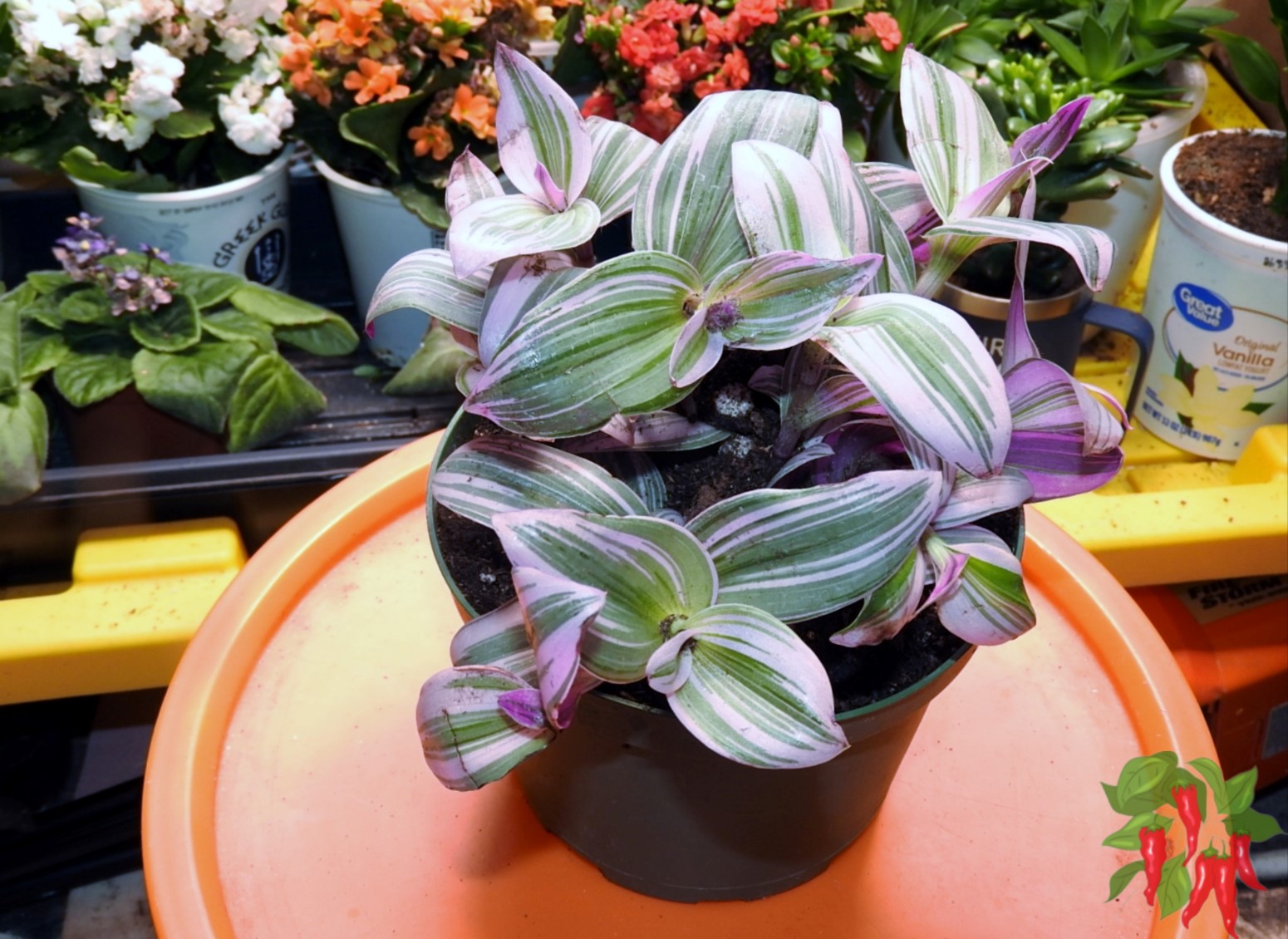
- 🍃 Pink Wandering Jew: Easy Nanouk Tradescantia Care
- 🌾 Tī Plant Care Indoors: 7 Proven Tips To Transform Your Space
- 🪴 Rubber Plant Care Indoors: 11 Best Care Tips For Beginners
- 🍀 Ficus Benjamina Indoors: 6 Easy Growth Tips For Beginners
- 🌼 How To Care For Peace Lily Indoors: 13 Easy Care Growth Tips
- 🌹 Bubble Gum Plant Care: 11 Tips And Tricks For Beginners
- 🌺 Hibiscus Plant Care Indoors: 7 Growth Tips For Beginners
- 🍂 Growing Jacob’s Ladder Indoors: Comprehensive Guide
- 🌷 Purple Shamrock Plant Care: 13 Tips And Tricks For Beginners
- 🌿 Creeping Jenny In Pots: 13 Lysimachia nummularia Growth Tips
- 🏡 Vertical Gardening Ideas: Best Small Space Garden Ideas
- 🪴 Chinese Money Plant Care Indoors: 7 Easy Growth Tips
- 🌳 9 Triangle Ficus Care Secrets for a Lush, Healthy Plant
- 🍌 Ice Cream Banana Tree Care: 15 Tip Complete Growth Guide
- 🌱 How to Make a Nerve Plant Thrive: 10 Tips and Tricks
- 🌸 African Violet Care Indoors: 11 Easy Care Tips For Beginners
- 🌺 Alternanthera Party Time Care: 7 Easy Growth Hacks
- 🌼 Geranium Care In Pots: 9 Geranium Growth Tips For Beginners
- 🌿 Purple Velvet Plant Care: 7 Easy Growth Tips And Tricks
- See all articles in our Indoor Houseplants category
📚 References & Further Reading
- University of Maryland Extension – Growing Vegetables in Containers and Salad Tables – Container sizes, vertical supports, watering, and growing vegetables in small spaces.
- Penn State Extension – Container Vegetable Gardening: Four Keys to Success – Plant selection, sunlight, growing media, watering, and fertilizing.
- University of Maryland Extension – Types of Containers for Growing Vegetables – Choosing suitable containers, matching pot sizes to plants, and planning container gardens.
- University of Maryland Extension – Growing Vegetables in Containers – Choosing compact vegetable varieties and growing food on balconies, patios, and other small spaces.
 Steve S. is the creator of